
Replacing your roof is one of the most significant home improvement investments you’ll make. Whether you’re dealing with storm damage, ageing shingles, or simply looking to upgrade your home’s curb appeal, understanding what influences roofing costs can help you plan and budget effectively. While a simple price per square meter might seem straightforward, the reality is far more complex. Here’s a detailed breakdown of the key factors influencing the cost of a new roof:
Roof Size and Area
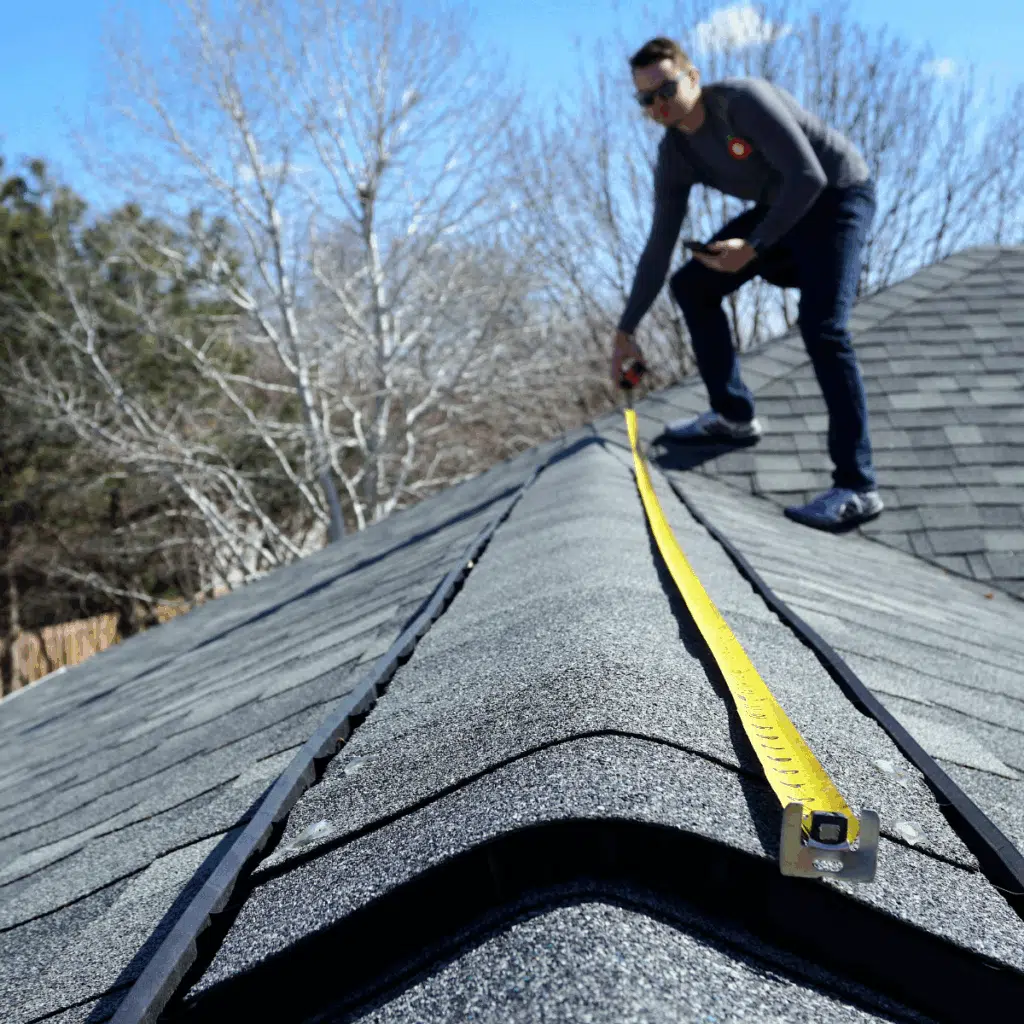
This is the single most important factor that determines the cost of a new roof. Larger roofs require more materials (shingles, tiles, underlayment, etc.) and more labor hours to install. The roof area is typically measured in “squares” or in square meters. The larger the area, the higher the base cost for both materials and labor.
Roofing Material Chosen
Materials vary dramatically in price, durability, lifespan, weight, energy efficiency, and aesthetic appeal. This is often the largest variable in the total cost.
Common roofing options:
Asphalt Shingles
The most popular roofing material is due to its balance of cost, performance, and ease of installation.
Metal Roofing
This is growing in popularity. It is highly durable, very long-lasting (50+ years), has excellent snow-shedding capabilities, good wind resistance, and can be energy efficient. It has higher upfront cost than asphalt but offers excellent long-term value.
Wood Shakes/Shingles
Offers a natural, rustic aesthetic popular in New England styles. However, they require more maintenance, are less fire-resistant (unless treated), and can be susceptible to moisture issues in CT’s climate. It has a higher cost and shorter lifespan than quality asphalt or metal.
Slate
A traditional, very high-end option seen on historic or luxury homes. Extremely durable (can last 100+ years), beautiful, and fireproof. Very heavy, requiring reinforced roof structures, and installation is highly specialized and expensive.
Composite/Synthetic Shingles
Mimic the look of slate or wood shakes, but are lighter, often more durable, and require less maintenance. Costs vary but are generally higher than asphalt.
Material choice affects not only direct cost but also installation time, potential structural needs (for heavy materials like slate), and long-term maintenance.
Labor Costs in Your Region
Labor costs vary significantly depending on your location. For example, urban areas or regions with a higher cost of living will typically have higher labor rates. Rural areas or southern states may have lower average labor costs. Labor usually accounts for 40%–60% of the total roof replacement price.
Tear-Off vs. Overlay
Tear-Off:
Removing the old roofing before installing new material is standard and recommended. It costs more but ensures longevity and warranty coverage.
Overlay:
Placing new shingles over the old ones is cheaper but may hide issues and is often not recommended for long-term value.
Roof Pitch or Slope
The steepness (pitch) of your roof significantly affects labor costs. Steeper roofs are more challenging and dangerous to work on. They require additional safety equipment (like harnesses and roof jacks), and specialized staging, and slow down the installation process, increasing labor time and cost. Low-slope roofs require different materials and installation techniques than standard-sloped roofs.
These are just some of the factors that affect the cost of a new roof. If you are trying to navigate roof replacement costs, let our experts provide clarity. We offer quality materials and installation designed to withstand local weather. Call us now for a transparent estimate and reliable service.